
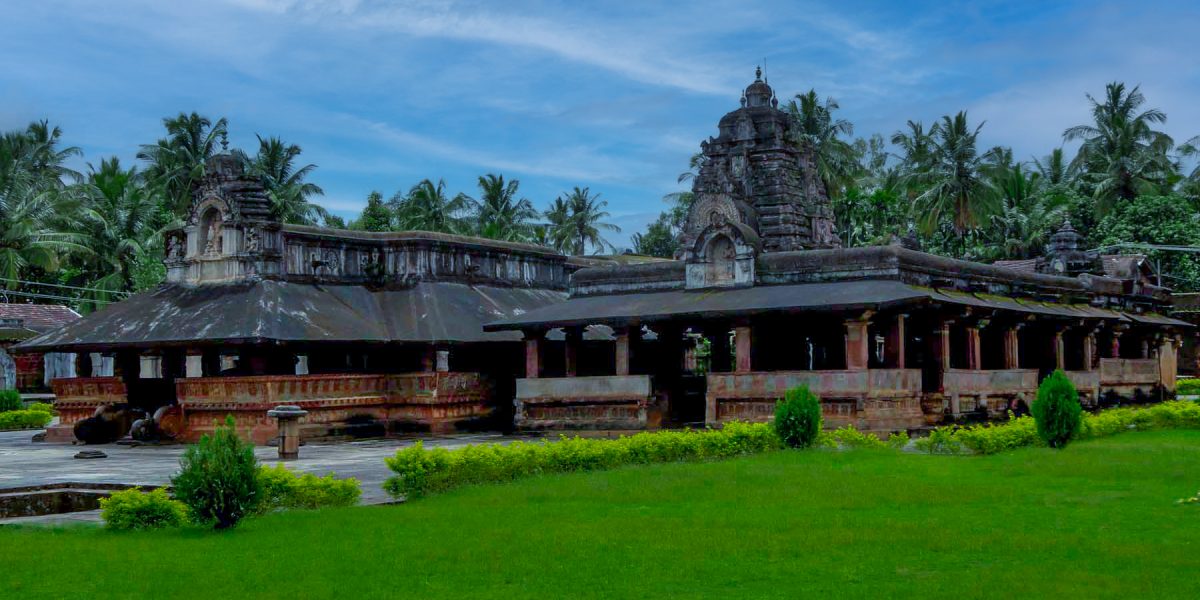
Madhukeshwara Temple in Banavasi is one of Karnataka’s oldest temples, built during the 9th century by the Kadamba dynasty. Dedicated to Lord Shiva, it houses a unique honey-colored Linga and exquisite stone carvings. The temple’s architecture reflects influences from Chalukya and Hoysala styles. A monolithic Nandi and peaceful surroundings add to its charm. Located by the Varada River, it’s a timeless destination for heritage lovers and devotees alike.
Murdeshwar is a popular coastal town in Uttara Kannada, known for its towering 123-foot statue of Lord Shiva overlooking the Arabian Sea. The iconic Murudeshwara Temple, perched on Kanduka Hill, features a grand 20-story gopuram with an elevator offering breathtaking views. Visitors enjoy the serene beach, the Floating Sea Bridge, and the historic fort nearby. A perfect blend of devotion and scenic beauty, Murdeshwar attracts pilgrims and tourists alike. It’s best visited during the cooler months from October to March.
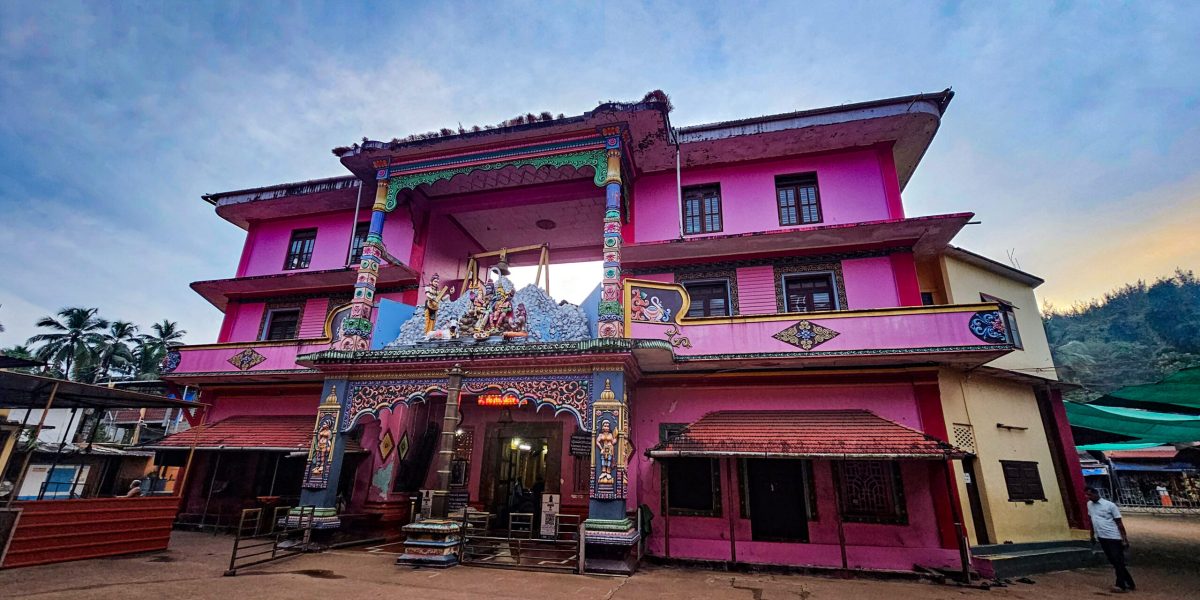
Marikamba Temple in Sirsi is one of the largest and most revered shrines dedicated to Goddess Durga in Karnataka. The temple houses an 8-armed idol of the goddess, believed to be centuries old and discovered in a nearby pond. Its bold Kaavi art and traditional architecture reflect deep cultural roots. The biennial Marikamba Jathre draws lakhs of devotees and is one of the biggest festivals in the state. With daily worship and timeless faith, the temple remains a spiritual landmark of Uttara Kannada.
Idagunji Temple, also known as Shri Vinayaka Devaru, is a renowned Ganesha temple located near Honnavar in Uttara Kannada. The temple houses a unique two-armed idol of Lord Ganesha, worshipped here for over 1500 years. It is part of the famous Ganesha Coast pilgrimage circuit and draws lakhs of devotees every year. The temple’s rituals, prasada offerings, and peaceful riverside setting create a deeply spiritual atmosphere. Easily accessible by road, it remains a major devotional landmark in coastal Karnataka.
Karikaanamma Temple, also known as Shri Karikana Parameshwari Temple, is a scenic hilltop shrine near Honnavar in Uttara Kannada. Surrounded by dense forest, it offers stunning views of the Arabian Sea and the Western Ghats. The temple is dedicated to Goddess Parameshwari and holds deep spiritual significance. A peaceful retreat for pilgrims and nature lovers alike, it’s especially popular during Navaratri. The serene hill road leading to the temple adds to the divine experience.
Nestled in the misty hills near Sirsi, the Sri Venkataramana Temple in Manjuguni is fondly known as the “Tirupati of Karnataka.” Dedicated to Lord Venkateshwara and Goddess Padmavathi, this temple is a peaceful spiritual retreat surrounded by dense forests. The architecture reflects the Vijayanagara style, with intricately carved pillars and a towering entrance. Pilgrims visit throughout the year, especially during the grand annual Rathotsava festival. The serene atmosphere and spiritual vibe make it a must-visit in Uttara Kannada.
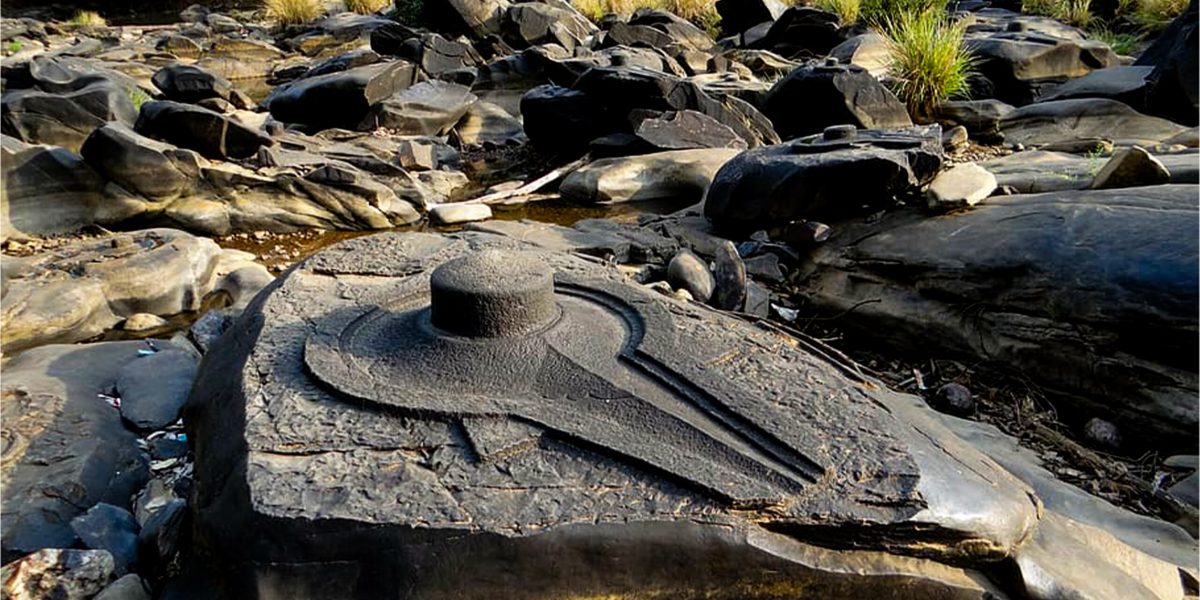
Sahasralinga is a sacred site nestled along the Shalmala River, where hundreds of Shivalingas and Nandi carvings are etched into naturally scattered rocks. The riverbed transforms into a spiritual marvel, especially during the dry season when the carvings emerge clearly. Surrounded by forested beauty, this destination offers both devotion and tranquility. Pilgrims often visit during Maha Shivaratri, when the entire area resonates with chants and rituals. It’s a perfect blend of heritage, nature, and peaceful exploration.
Gerusoppa Basadi, also known as Chaturmukha Basadi, is a 16th-century Jain temple located near Gerusoppa in Uttara Kannada. Built by Queen Chennabhairadevi, it features a unique four-faced structure with symmetrical granite entrances. The temple is dedicated to the Jain Tirthankaras and is known for its intricate carvings and peaceful forest surroundings. Once part of a large Jain settlement, it now stands as a rare architectural gem. Ideal for history enthusiasts and spiritual seekers alike.
Shejwada Temple, also known as Shejjeshwar Temple, is a historic Shiva temple located near Karwar in Uttara Kannada. It is believed to be one of the places where parts of the Atmalinga fell, linking it to Gokarna’s spiritual lore. The temple features ancient stone architecture and a peaceful, rural setting. It draws devotees year-round, especially during Maha Shivaratri. The temple offers a quiet spiritual experience amidst nature.
Mahamaya Temple, also known as Maha Ganapathi Mahamaya Temple, is a historic temple located in Shirali, Uttara Kannada. Dedicated to Lord Ganapathi and Goddess Mahamaya, it holds deep cultural significance for the Goud Saraswat Brahmin community. The temple was originally established centuries ago and later rebuilt with traditional architecture. It is known for its peaceful atmosphere and vibrant annual festivals. Easily accessible, it attracts devotees throughout the year.
Aryadurga Temple is a revered temple located near Ankola in Uttara Kannada, dedicated to Goddess Arya Durga. It holds great importance for the Goud Saraswat Brahmin community and is known for its spiritual ambiance. The temple’s simple coastal architecture and peaceful surroundings make it ideal for quiet worship. Devotees visit throughout the year, especially during Navaratri. It is easily accessible and welcomes visitors with serene vibes.
Katyayini Temple, also known as Katyayini Baneshwar Temple, is a sacred site located in Aversa, near Ankola in Uttara Kannada. It is dedicated to Goddess Katyayini, a powerful form of Durga, and is revered as the Kuladevata by many coastal Brahmin communities. The temple features traditional coastal architecture and a calm, spiritual setting. Devotees visit year-round, especially during monthly Navami rituals. Its peaceful atmosphere and well-maintained premises make it a popular pilgrimage stop.
Dhareshwar Temple is an ancient Shiva temple located near Kumta in Uttara Kannada. Set on a quiet hilltop, it is believed to be over 800 years old and holds deep mythological and cultural significance. The temple features traditional stone architecture and sacred ponds around its premises. It is especially lively during the annual fair held in January. Surrounded by greenery, it offers a peaceful spiritual experience for visitors.
Shantika Parmeshwari Temple is a serene riverside shrine located near Kumta in Uttara Kannada. Dedicated to Goddess Shantika, the temple is revered by local devotees for her blessings of peace and harmony. Set amidst coconut groves along the riverbank, it offers a tranquil setting ideal for spiritual contemplation. The temple hosts annual celebrations during Navaratri, drawing families and pilgrims. Accessible via a short drive from Kumta, it’s a peaceful stop on your spiritual journey.
Bhuvanagiri is home to Karnataka’s only temple dedicated to Goddess Bhuvaneshwari, regarded as the symbolic mother of the Kannada language. Perched atop a scenic hill, the temple is reached by climbing around 350 steps, offering panoramic views of the Western Ghats. Built in the 17th century by Bilagi ruler Basavendra, the temple holds deep linguistic and cultural significance. Surrounded by forested serenity, it is a peaceful retreat for devotees and language lovers alike. Though still relatively unexplored by tourists, Bhuvanagiri remains a soulful destination for those seeking heritage and tranquility.
Chandragutti Temple, nestled atop a rocky hill, is a serene cave shrine dedicated to Goddess Renuka Devi. Surrounded by dense forest, the temple is believed to be the spot where Parashurama beheaded his mother, as per legend. The climb to the temple through stone steps offers both a spiritual and adventurous experience. Nearby, the ruins of Chandragutti Fort add a touch of history to the visit. The peaceful atmosphere and mythological significance make it a unique destination in Uttara Kannada.
Bilgi Jain Basadi is an ancient temple located in the village of Bilgi in Uttara Kannada, known for its rich Jain heritage. Believed to date back to the 12th century, the temple features three sanctums dedicated to Mahavira, Parshvanatha, and Neminatha. It showcases the Kadamba–Chalukya style of architecture with intricate carvings and a peaceful setting. Though no longer in daily use, the structure is preserved for its historical and cultural value. It remains a quiet heritage site for spiritual and architectural appreciation.