
Uttara Kannada's Hidden Rain-Kissed Wonders – When Nature Writes Poetry in Shades of Green Between the Sahyadris and the Mist
Forget everything you know about rain. In Uttara Kannada, monsoon doesn’t drench—it enchants. Waterfalls explode from cliffs, you drive through actual clouds, and the Sahyadris breathe in shades of green so vivid they feel unreal. Ancient forts wear moss like royal velvet, ghats vanish into mist, and valleys ache with beauty. This is where Uttara Kannada stops being a place and becomes a feeling you’ll chase forever.
When the first raindrops kiss the soil of Uttara Kannada, the entire district transforms into a mystical wonderland. The Western Ghats awaken from their summer slumber, rivers roar to life, waterfalls cascade with renewed vigor, and every inch of land drapes itself in emerald velvet. This is when Uttara Kannada reveals its most enchanting face—a face that locals cherish and travelers dream about long after they’ve left.
Nestled between the Arabian Sea and the majestic Sahyadri mountain ranges, Uttara Kannada (formerly North Canara) becomes a symphony of sight and sound during monsoon. The air carries the intoxicating fragrance of wet earth, coffee blossoms, and wild jasmine. Mist dances through valleys, clouds embrace mountain peaks, and nature puts on its grandest show. This is not just a season—it’s an experience that touches the soul.
Why Monsoon is Nature’s Love Letter to Uttara Kannada
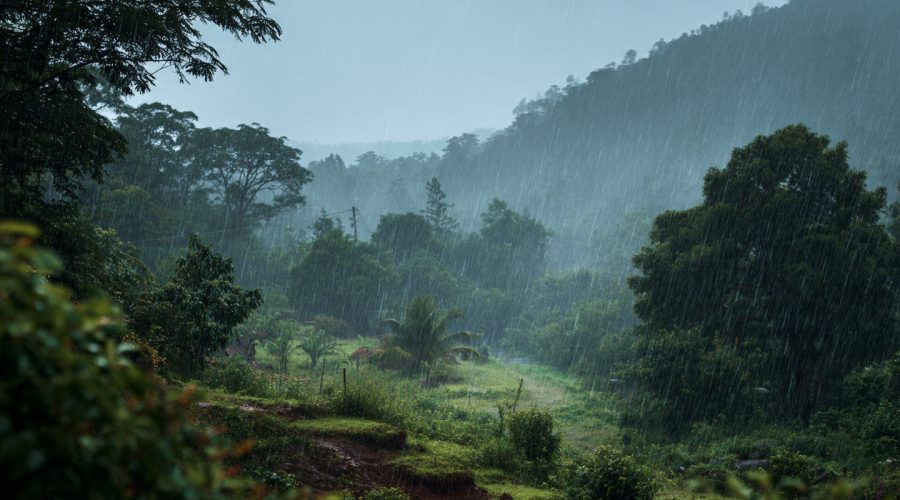
The monsoon months from June to September breathe magic into Uttara Kannada like no other season. While summer leaves the landscape parched and winter brings a quiet calm, monsoon transforms the district into a living, breathing canvas of unparalleled beauty.
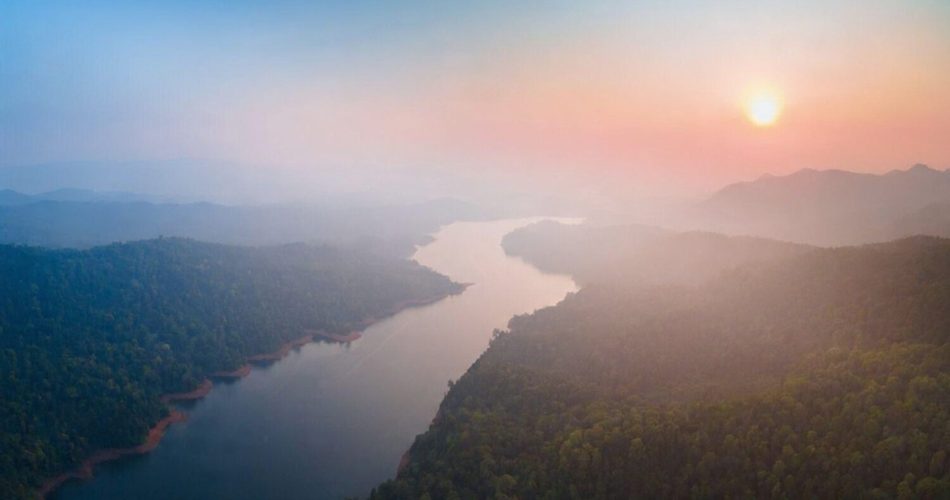
The Western Ghats, one of the world’s biodiversity hotspots, receives generous rainfall during this period, turning every stream into a torrent and every waterfall into a thundering spectacle. The forests become denser, darker, and more mysterious. Wildlife becomes more active. The agricultural fields turn into carpets of green that stretch as far as the eye can see.
For the adventurous soul, monsoon offers the perfect blend of thrill and tranquility. The ghats, with their hairpin bends and mist-covered roads, become exhilarating drives through clouds. Hidden trails lead to secret waterfalls known only to locals. Every turn reveals a new vista, every valley echoes with the sound of rushing water.
The cultural landscape also shifts during monsoon. Villages slow down to a comfortable rhythm. People gather on verandas to watch the rain, sharing stories over steaming cups of tea. The monsoon is when Uttara Kannada shows you not just its natural beauty, but its soul.
Where Heaven Pours Down: The Cascading Wonders of Uttara Kannada
Jog Falls – The Crown Jewel of Karnataka
No monsoon journey through Uttara Kannada is complete without witnessing Jog Falls in its full glory. India’s second-highest plunge waterfall transforms into an absolutely awe-inspiring spectacle during the rains. The four cascades—Raja, Rani, Rover, and Rocket—merge into one mighty torrent that plunges 830 feet into a churning pool below.
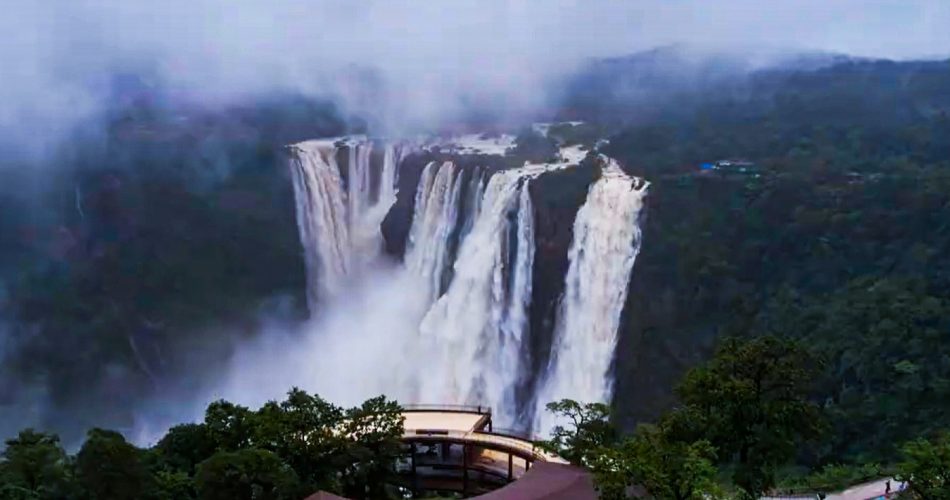
The sheer volume of water during monsoon creates a mist that rises hundreds of feet into the air, often forming rainbows that arch across the gorge. The thunderous roar can be heard from miles away, and the ground literally trembles beneath your feet at the viewpoint. This is nature’s raw power on full display, humbling every witness.
Unchalli Falls – The Hidden Himalayan of Uttara Kannada
Often called the “forgotten falls,” Unchalli (also known as Lushington Falls) is a 380-foot-high waterfall that requires a trek through dense forest to reach. During monsoon, the Aghanashini River feeds this magnificent cascade with such force that the spray creates a perpetual mist around the entire area.
The journey to Unchalli is an adventure in itself—winding through dense jungle trails where leeches and slippery rocks test your determination. But every careful step is worth it. Standing at the viewpoint as the falls roar before you and cool mist settles on your skin feels like a rare, pure moment of connection with nature.
Benne Hole Falls – The Butter Cascade
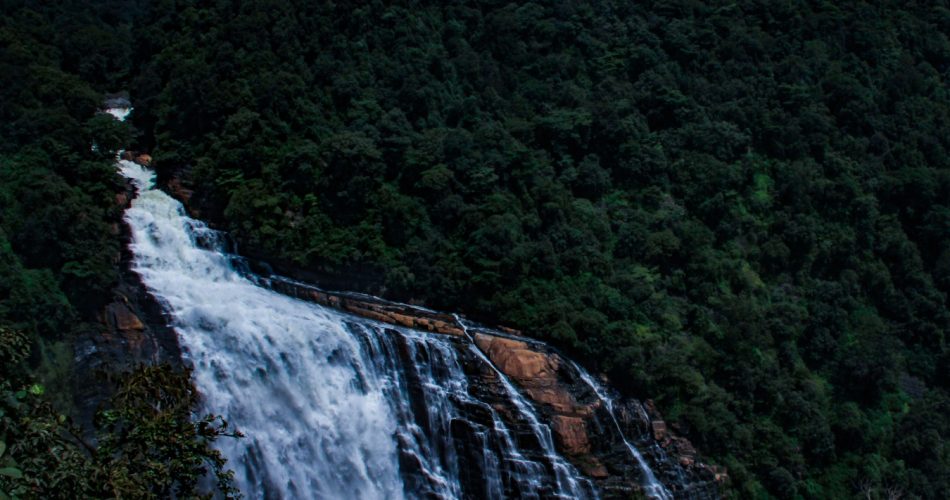
Named for its resemblance to flowing butter (benne in Kannada), this hidden gem near Sirsi cascades through multiple tiers of moss-covered rocks. During monsoon, the falls swell dramatically, and the surrounding forest becomes incredibly lush. The pool at the base is perfect for a refreshing dip, though caution is essential during heavy rains.
Magod Falls – The Two-Tiered Wonder
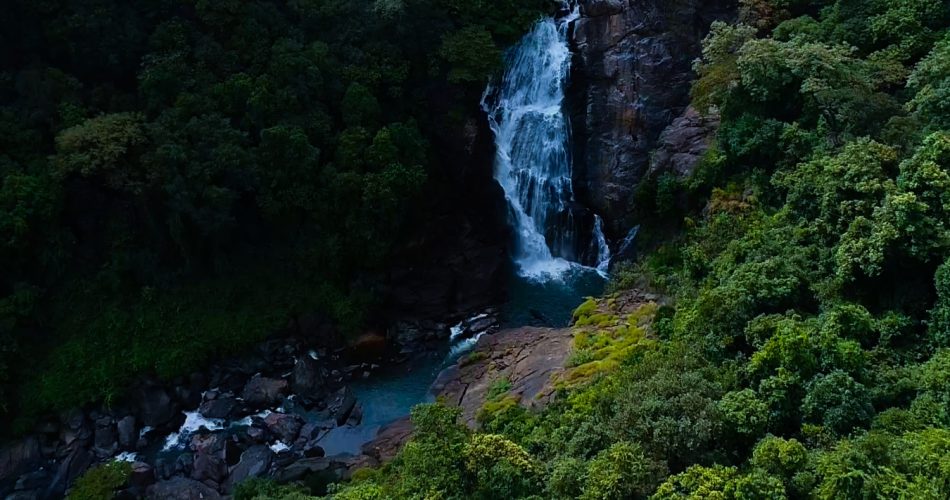
Magod Falls drops in two distinct stages, creating a unique spectacle. The Bedthi River plunges first from a height of about 200 feet, then after flowing through a rocky gorge, takes another leap of roughly 650 feet. During monsoon, both stages become incredibly powerful, and the gorge fills with mist and spray that creates an ethereal atmosphere.
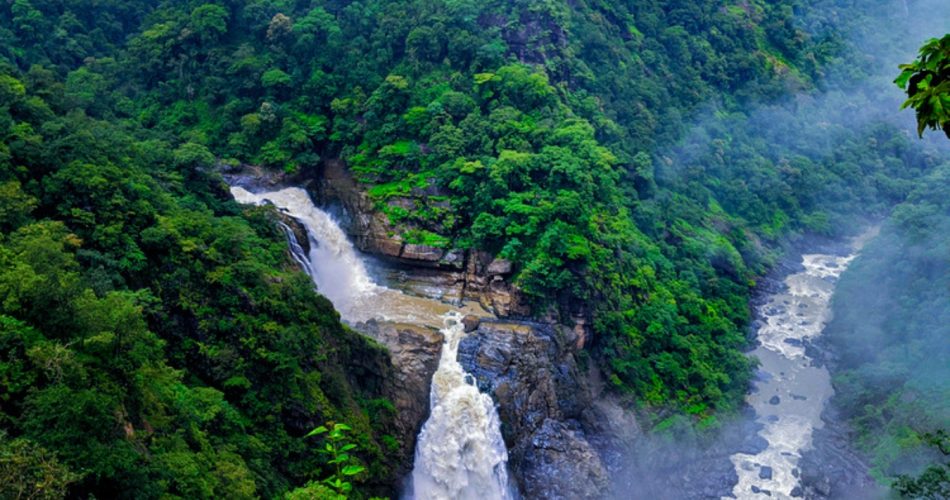
Kulimagod Falls – The Valley’s Secret
Hidden in the lush forests near Yellapur, Kulimagod Falls is a pristine cascade that rewards adventurous souls willing to trek through wilderness. During monsoon, this waterfall comes alive with remarkable force, plunging down rocky terrain into a crystal-clear pool surrounded by untouched forest. The journey to Kulimagod requires navigating through dense vegetation and slippery trails, but the serenity and raw beauty of this secluded spot make it worth every step. Few travelers venture here, which means you often have this natural wonder entirely to yourself—a rare gift in today’s crowded tourist landscape.
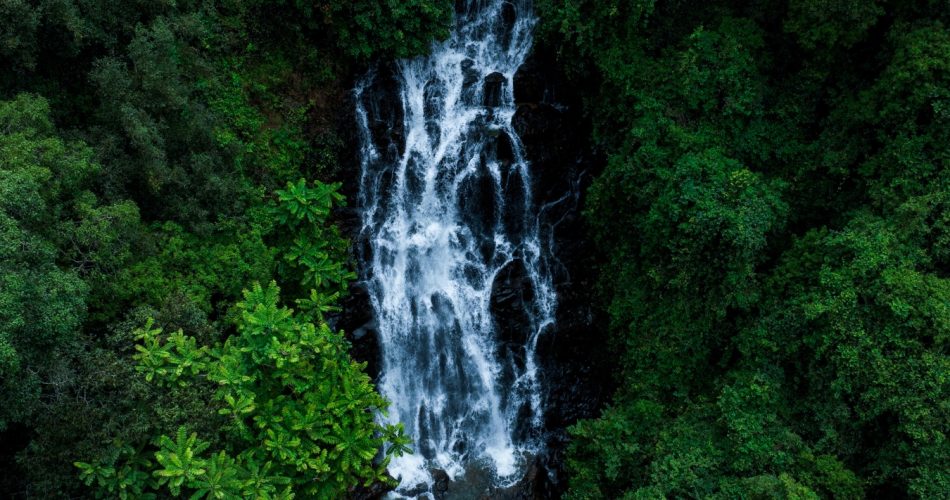
Sathodi Falls – The Sacred Cascade
Tucked away in the Yellapur taluk, Sathodi Falls is considered sacred by locals. The Shalmala River creates this horseshoe-shaped waterfall that becomes particularly photogenic during monsoon. The surrounding forest is pristine, and the trek to the falls takes you through streams and thick vegetation that come alive during the rains.
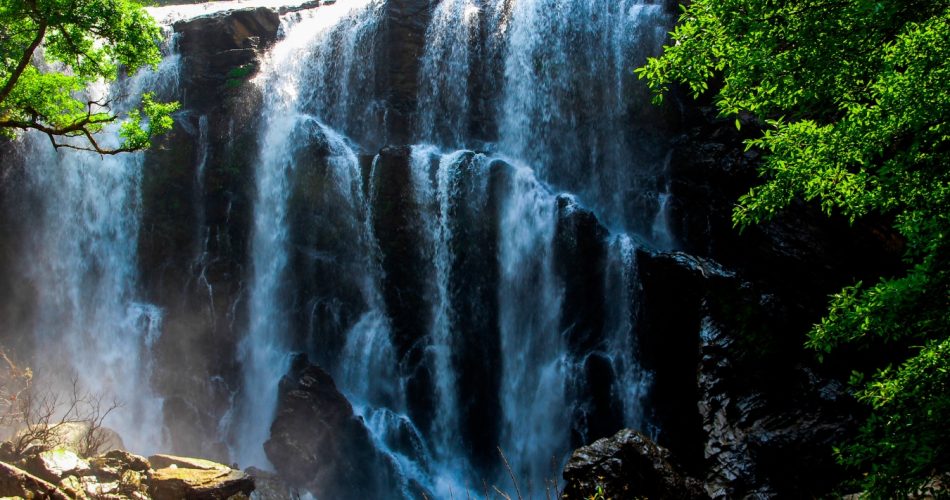
Shivaganga Falls – The Temple Falls
Located near Shivaganga temple in Hosavaddu, these falls hold religious significance and natural beauty in equal measure. During monsoon, devotees and nature lovers alike visit to witness the Sharavati River’s tributary create a powerful cascade that adds to the spiritual atmosphere of the area.
Vibhuthi Falls – Nature’s Sacred Ash
Named after the sacred ash worn by Lord Shiva, Vibhuthi Falls near Sirsi becomes a milky white cascade during monsoon. The falls are accessible through a scenic trek, and the pool at the base is surrounded by rocks perfect for sitting and meditating to the sound of falling water.
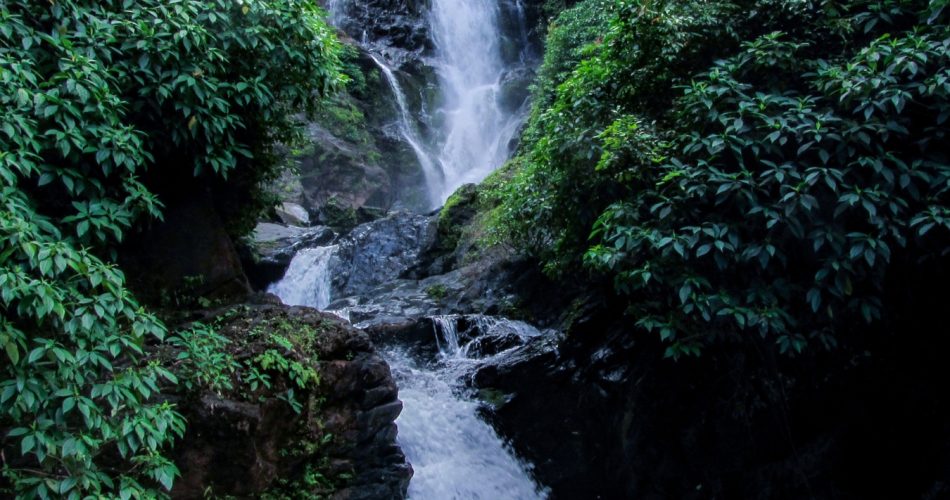
Apsarakonda Falls – Where the Cliff Meets the Sea
Unique among Uttara Kannada’s waterfalls, Apsarakonda is situated on a cliff overlooking the Arabian Sea near Honnavar. During monsoon, this small but picturesque waterfall gains volume, and watching it cascade down rocks with the sea as a backdrop creates an unforgettable visual experience. The nearby Apsarakonda Beach and temple add to the location’s charm.
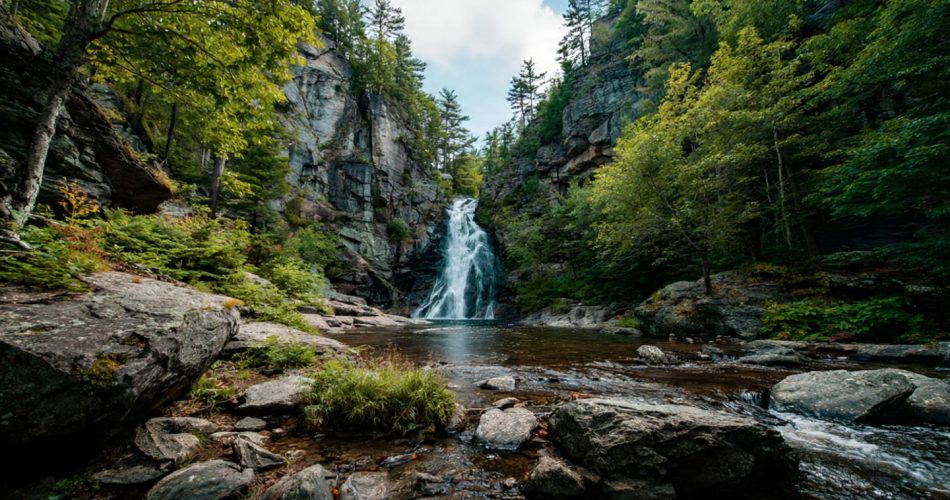
Burude Falls – The Gentle Giant
Also known as Burude Gudda Falls, this waterfall near Siddapur flows over a rock face creating a wide curtain of water during monsoon. The falls are accessible by a short trek and are surrounded by areca nut plantations and thick forest that glow with life during the rains.
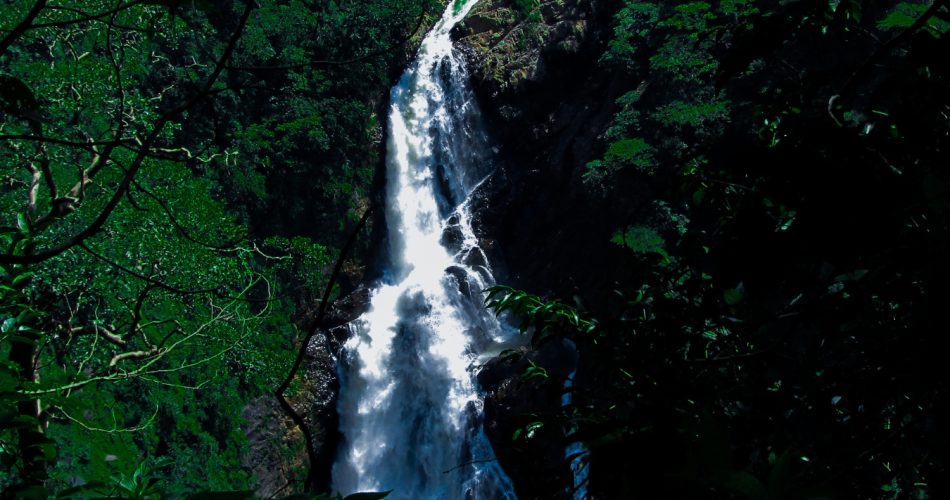
Vibhooti Falls – The Twin Beauty
Not to be confused with Vibhuthi Falls, Vibhooti Falls is another monsoon treasure in the Sirsi region. During peak monsoon, the volume of water creates multiple streams that converge into a powerful cascade, making it a photographer’s paradise.
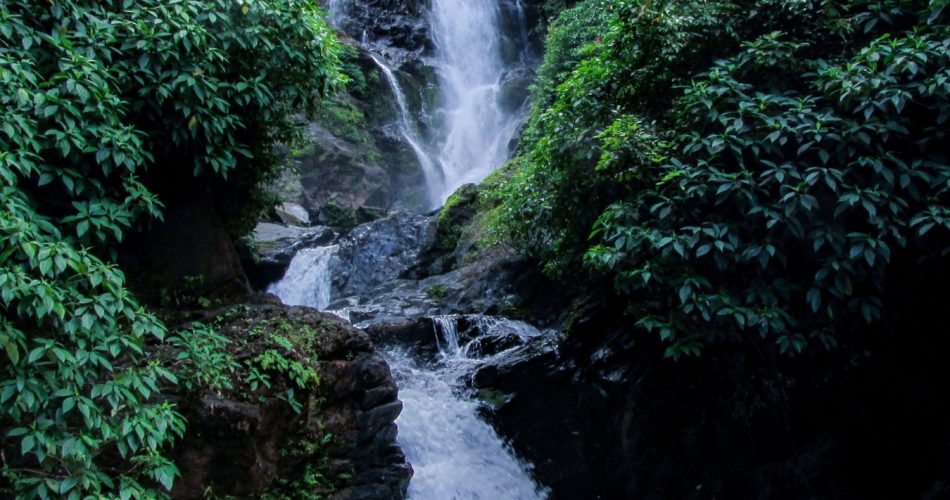
Muregar Falls – The Forest Whisper
Deep in the forests of Kumta taluk, Muregar Falls is a secluded spot where nature reigns supreme. During monsoon, reaching the falls becomes an adventure through mud and streams, but the untouched beauty makes every moment worthwhile.
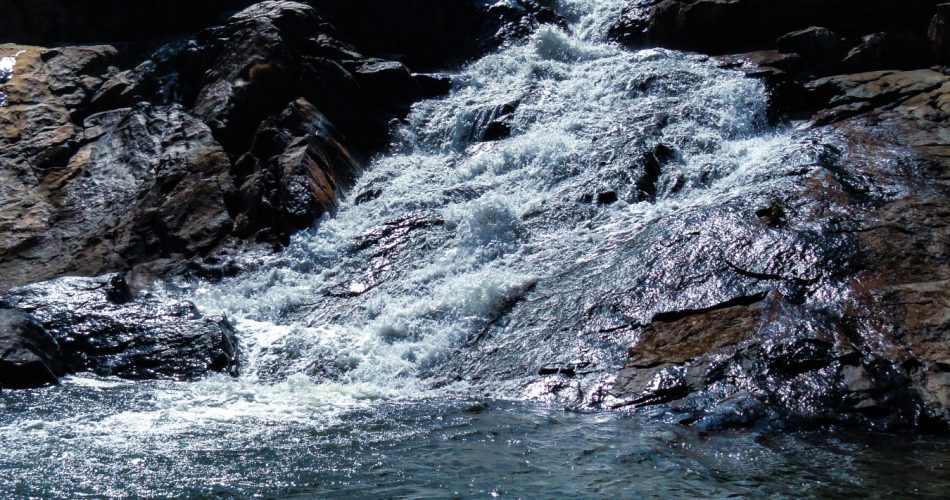
Laalguli Falls – The Red Gorge Wonder
Laalguli Falls, nestled in the forests near Sirsi, is a breathtaking cascade that plunges into a dramatic red-hued gorge, giving it its distinctive name. During monsoon, the falls transform into a thundering spectacle as water gushes over the rocky cliff face with tremendous force. The trek to Laalguli takes you through dense forest trails and across streams, making it an adventure for those seeking offbeat destinations. The surrounding landscape, with its unique red laterite rocks contrasting against the white cascade and lush greenery, creates a mesmerizing visual experience that photographers and nature lovers treasure.
Shirale Falls – The Village Treasure
Located near Shirale village in Yellapur taluk, these falls are cherished by locals and slowly gaining attention from travelers. Monsoon brings them to life with impressive force, and the surrounding area offers glimpses of rural life against a backdrop of natural splendor.
Mattighatta Region Waterfalls – The Cluster of Cascades
The Mattighatta region is blessed with multiple seasonal waterfalls that appear only during monsoon. Exploring this area requires local guidance but rewards adventurers with pristine, unnamed cascades that few outside the region ever see.
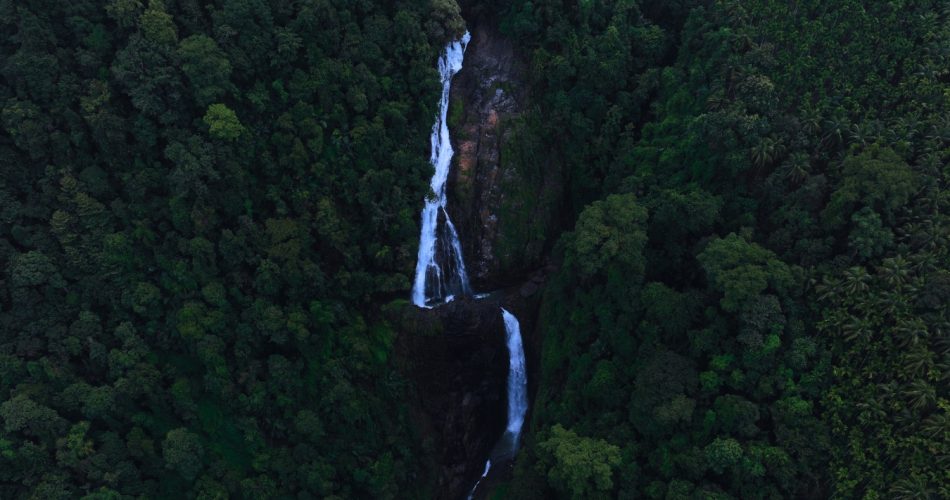
Anashi Waterfall – The Wilderness Guardian
Located within the Anashi National Park boundaries, this waterfall embodies the wild spirit of the Western Ghats. During monsoon, Anashi Waterfall becomes a powerful cascade surrounded by pristine forest teeming with wildlife. The trek to reach these falls takes you deep into protected wilderness where elephants, leopards, and countless bird species roam freely. The sound of the falls mingles with forest calls, creating a symphony that reminds you of nature’s untamed magnificence. This is not just a waterfall visit—it’s an immersion into one of Karnataka’s most biodiverse regions.
Bangara Kusuma Falls – The Golden Flower
True to its name meaning “golden flower,” Bangara Kusuma Falls near Sirsi blooms with breathtaking beauty during monsoon. Water cascades over multiple tiers of rock formations adorned with moss and ferns, creating a living garden through which the waterfall flows. The pool at the base is surrounded by smooth boulders perfect for contemplation, and the forest canopy overhead filters sunlight into dancing patterns on the water. This is one of those rare places where every element seems perfectly arranged by nature’s artistic hand.
Devakar Falls – The Divine Creation
Devakar Falls in the Yellapur region lives up to its name, which suggests divine craftsmanship. During monsoon, this waterfall becomes a spectacular multi-tiered cascade where water seems to flow in layers, each creating its own pattern and sound. The approach to Devakar takes you through ancient forest where massive trees form natural archways and streams crisscross the trail. At the falls, mist rises like incense offerings, and the roar of water creates a meditative backdrop that has drawn spiritual seekers for generations.
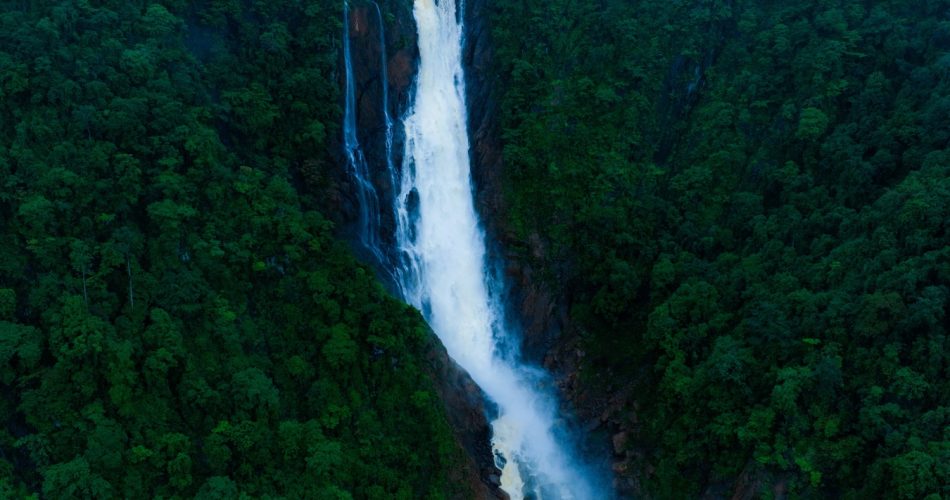
Negar Falls – The Forest’s Melody
Tucked away in dense forest near Yellapur, Negar Falls is a hidden treasure that sings with its own unique melody during monsoon. The water cascades over a series of rock steps, each creating different musical notes that blend into a natural symphony. The trek to Negar is moderately challenging but rewards you with a pristine waterfall that sees few visitors. The forest around Negar is particularly rich in birdlife, and patient observers might spot rare species flitting through the canopy.
Waate Halla Falls – The Wild Stream
Waate Halla, meaning “wild stream,” lives up to its name spectacularly during monsoon. This powerful waterfall near Sirsi transforms from a gentle cascade to a roaring torrent as rains intensify. The falls plunge into a deep gorge surrounded by sheer rock walls draped in vegetation. The spray rises high enough to create perpetual rainbows on sunny days, and the thunderous sound can be felt as much as heard. This is nature’s raw power unleashed, reminding visitors of the Western Ghats’ untamed spirit.
Sonda Kote Falls – The Fort’s Waterfall
Located near the historic Sonda region known for its temples and former Sonda Kingdom, these falls carry historical resonance alongside natural beauty. During monsoon, Sonda Kote Falls becomes a powerful cascade flowing through terrain that once witnessed royal processions and ancient rituals. The combination of history and natural splendor creates a unique atmosphere—you’re not just visiting a waterfall but stepping into a landscape where nature and human heritage have intertwined for centuries.
Seasonal Monsoon Falls – Nature’s Temporary Gifts
Throughout Uttara Kannada, hundreds of seasonal waterfalls appear during monsoon, flowing over cliffs, through forests, and alongside roads. These temporary cascades often have no names but create countless moments of wonder for those traveling through the district during the rains.
Clouds You Can Touch: Sacred Peaks and Misty Escapes
Jenkallu Gudda – The Hidden Mountain Jewel
Jenkallu Gudda, located near Yellapur, is one of Uttara Kannada’s best-kept secrets. This hill station transforms into a mystical realm during monsoon, with clouds literally passing through the settlement. The journey to Jenkallu Gudda takes you through winding forest roads where visibility often drops to a few meters, creating an otherworldly driving experience.
At the peak, the entire Western Ghats panorama unfolds before you—or rather, it would if not for the beautiful mist that wraps everything in mystery. During brief breaks in the clouds, you catch glimpses of valleys filled with green, distant waterfalls appearing as white threads, and the patchwork of agricultural lands far below. The local temple here adds spiritual significance to the natural beauty, and the small settlements around show you authentic hill life during monsoon.
What makes Jenkallu Gudda special during the rains is its sense of isolation. You feel like you’ve reached the edge of the world, where earth meets sky, where rain is born from clouds you can touch. Photographers love the dramatic lighting—when sun breaks through clouds, it creates stunning light shafts that illuminate specific valleys while leaving others in shadow.
Bheeman Gudda – The Giant’s Mountain
Bheeman Gudda, named after the legendary Pandava Bheema from the Mahabharata, lives up to its mythological associations with its imposing presence. Located in the forests of Uttara Kannada, this hill becomes a monsoon paradise where nature displays its full power.
The drive to Bheeman Gudda during monsoon is an adventure in itself—narrow roads cutting through thick forest, occasional landslips creating detours, and the constant sound of rain on the car roof creating a natural rhythm. The vegetation here is incredibly dense, with ancient trees creating a canopy so thick that rain takes several seconds to reach the ground, filtering through layers of leaves.
At Bheeman Gudda, the views during monsoon are breathtaking when clouds part. You can see multiple hill ranges stretching into the distance, each layer appearing in a different shade of blue-gray through the mist. Small streams become visible as they cascade down hillsides, and the entire landscape seems to be in constant motion—clouds moving, rain falling, mist swirling.
The area around Bheeman Gudda also hosts several trekking trails that become challenging but rewarding during monsoon. Local guides can take you to viewpoints known only to villagers, where you might be the only person for miles, surrounded by pristine Western Ghats forest in its wettest, wildest state.
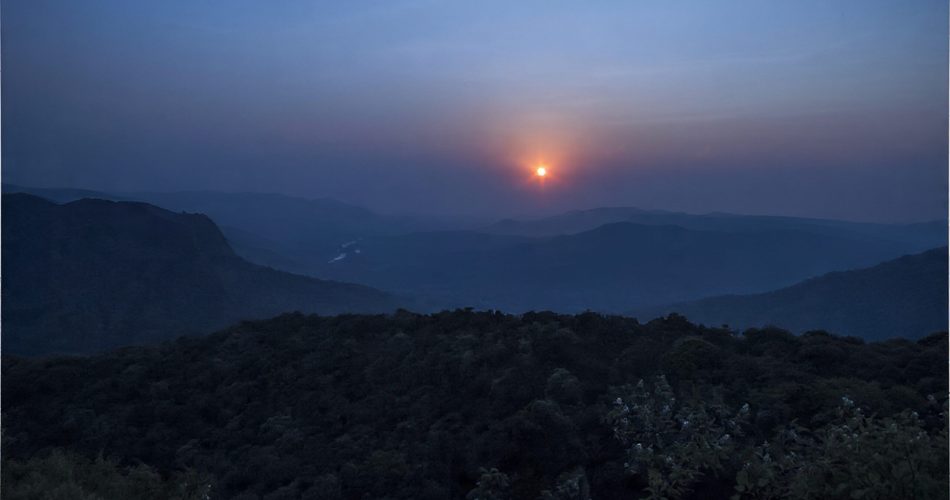
Devimane Ghat – Where Devotion Meets Nature
Devimane Ghat is not just a road—it’s a spiritual journey that becomes especially powerful during monsoon. This ghat area, associated with the goddess temple that gives it its name, combines religious significance with spectacular natural beauty in a way that’s uniquely Uttara Kannada.
The ghat road winds through multiple elevation changes, each turn revealing new perspectives. During monsoon, the entire route becomes draped in greenery so lush it seems unreal. Small waterfalls appear alongside the road, sometimes flowing over the tarmac itself. Mist rolls up from valleys, creating scenes where you’re literally driving through clouds.
The Devimane temple area itself becomes particularly atmospheric during monsoon. Rain-washed stone steps, the smell of incense mixing with petrichor, the sound of temple bells competing with thunder—it’s a multisensory experience that speaks to something deep in the soul. Devotees visiting during monsoon often speak of feeling closer to the divine in these conditions, where nature’s power and beauty seem to reflect spiritual truths.
From various points along Devimane Ghat, you get panoramic views of the surrounding mountains and valleys. During monsoon, these views change by the hour—sometimes crystal clear after a rain shower, sometimes completely obscured by fog, sometimes offering that magical combination where you can see sunlit valleys through breaks in clouds while rain falls all around you.
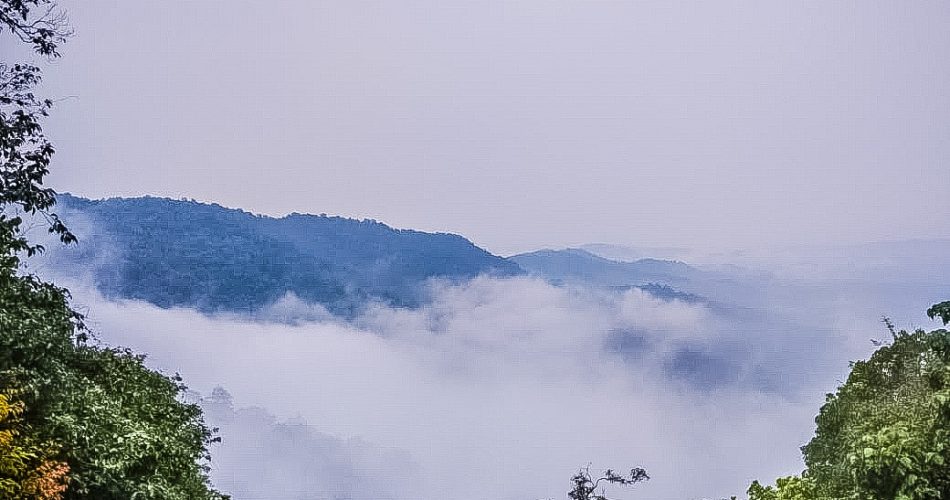
Gerusoppa Ghat – The Jog Approach
The ghat sections approaching Jog Falls become incredibly scenic during monsoon, winding through some of Uttara Kannada’s most beautiful terrain—forest patches that seem primeval and viewpoints overlooking gorges that contain the district’s magnificent waterfalls. What makes this route special is the anticipation it builds. As you wind through the hills, you begin hearing the distant roar of Jog Falls long before you see it, the sound growing progressively louder with every curve. Small seasonal waterfalls appear along the route like nature’s previews of the main attraction ahead.
The region’s laterite plateau creates perfect conditions for ephemeral beauties that appear during July and August—dozens of unnamed waterfalls like white ribbons against red rock, some flowing for just weeks, others persisting through the entire rainy season. The ghat passes through villages where monsoon life continues at its own pace, adding human warmth to the dramatic scenery. Viewpoints offer spectacular photo opportunities where winding roads disappear into mist and valleys fill with clouds.
What makes the Gersoppa cluster special is the sense of discovery. There are no crowds, no signboards—just pure encounters with nature’s temporary monsoon gifts. Local guides can lead you to hidden cascades that most visitors never see, offering authentic experiences beyond the main attraction. This is where you’ll find waterfalls that don’t have names but deserve your attention just as much as their famous neighbor.
When the Land Turns Emerald: Monsoon’s Gift to Agriculture
The monsoon in Uttara Kannada is not just about waterfalls and ghats—it’s fundamentally about life, renewal, and the agricultural heartbeat of the region. When rains arrive, the district transforms into one vast green tapestry that feeds both body and soul.
The Paddy Fields of Paradise
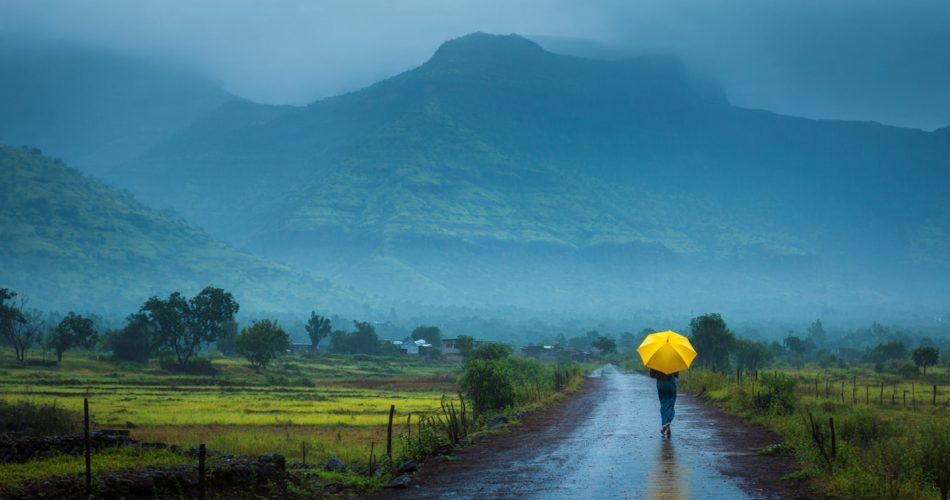
As monsoon establishes itself, paddy cultivation begins in earnest. The sight of endless rice fields in various stages of growth—from the bright green of newly transplanted seedlings to the deeper shades of maturing plants—creates landscapes that rival any tourist attraction. Villages like those in Sirsi, Yellapur, and Haliyal taluks become surrounded by shimmering water-filled fields that reflect clouds and sky.
The Living Tapestry of Agriculture
Uttara Kannada’s agricultural landscape becomes a living work of art during monsoon. The areca nut plantations create cathedral-like spaces with tall, slender trees and filtered rain creating gentle showers. Spice gardens fill the air with the fragrance of pepper and nutmeg. The lush greenery around Sirsi and Yellapur transforms into wonderlands where the aroma of blossoms mixes with wet earth. Coastal coconut groves sway in monsoon winds, creating the quintessential Konkan landscape.
Forest Regeneration – Nature’s Renewal
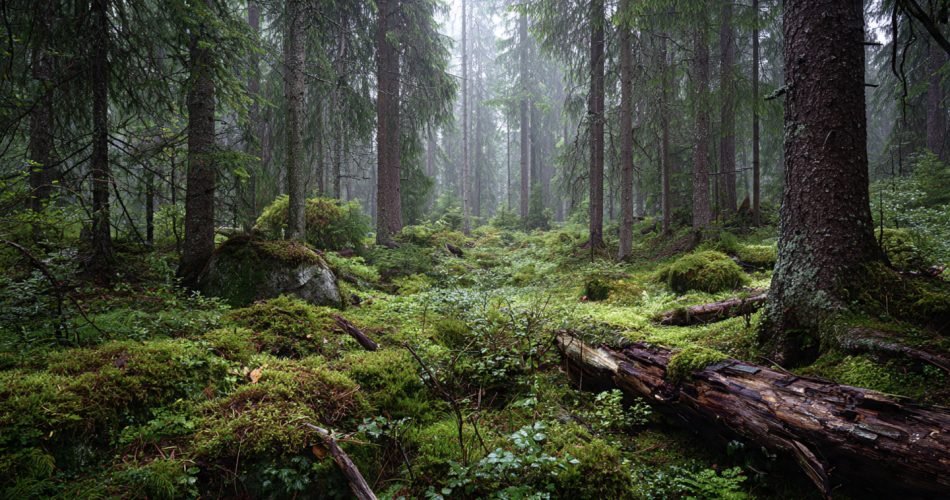
The evergreen and semi-evergreen forests of the Western Ghats undergo dramatic transformation during monsoon. Trees that seemed dormant burst into new leaf growth. Forest floors covered in dry leaves become carpets of seedlings. Mushrooms of countless varieties appear overnight. The forest literally pulses with life, and even a short trek reveals nature’s regenerative power at work.
Medicinal Plant Gardens
Traditional medicinal plant cultivation continues in many parts of Uttara Kannada, and monsoon is when these plants thrive. Many villages maintain community herbal gardens where rare medicinal species are preserved, and these gardens become particularly lush and valuable during the rainy season.
Beyond the Beaten Path: Nature’s Secret Chambers
Beyond the famous waterfalls and well-known attractions, Uttara Kannada holds countless secret spots that reveal themselves to patient explorers during monsoon. These are the places where you’ll find solitude, where nature whispers rather than roars, where memories are made in quiet moments.
Dandeli Wildlife Sanctuary Viewpoints
While Dandeli is known for adventure activities, many viewpoints within and around the sanctuary offer spectacular monsoon vistas. These include river valley overlooks, forest canopy views, and clearings where you can watch rain sweep across the landscape in visible sheets.
Backwaters and River Confluences
The backwaters of the Kali, Aghanashini, Sharavati, and Gangavalli rivers become particularly beautiful during monsoon. Boat rides through these swollen waterways, watching forests rise on both banks and birds take shelter in overhanging branches, offer peaceful alternatives to waterfall visits.
Laterite Dreams: When History Wears Monsoon’s Crown
While Uttara Kannada’s natural beauty dominates monsoon conversations, there exists a heritage gem that becomes particularly enchanting during the rains—Mirjan Fort. Located about 11 kilometers from Kumta, this often-overlooked monument combines history, architecture, and monsoon magic in ways that surprise even seasoned travelers.
A Fort Embraced by Greenery and History
Built in the 16th century and associated with the legendary Queen Chennabhairadevi of Gersoppa, Mirjan Fort stands as a testament to the region’s rich past. During most of the year, the fort appears rugged and somewhat stark. But monsoon works its transformation magic here too.
As rains arrive, the entire fort complex becomes draped in greenery. Grass grows on ramparts, moss covers walls, and vines creep across ancient stones. The moat surrounding the fort fills with water, reflecting the laterite walls and creating mirror images of history. The fort doesn’t just survive monsoon—it embraces it, becoming more beautiful because of it.
Walking Through Rainy Ramparts
Exploring Mirjan Fort during a light rain is an experience that transcends typical tourist visits. The wet laterite stones glow in shades of red and orange. Water drips from centuries-old archways. Your footsteps echo through empty corridors where soldiers once stood guard.
The fort’s architecture, with its secret tunnels, watchtowers, and strategic bastions, becomes more atmospheric in monsoon conditions. Mist often rolls in from the nearby sea, wrapping the fort in mystery. Standing atop the ramparts, watching rain fall over the surrounding landscape while contemplating the fort’s history of battles and royalty, creates a profound connection with the past. The combination of ancient architecture, lush greenery, dramatic clouds, and the relative absence of crowds during monsoon makes Mirjan Fort a photographer’s dream and a history lover’s paradise.
Your Monsoon Adventure Awaits: Essential Travel Wisdom
Best Time Within Monsoon
While the monsoon officially runs from June to September, the experience varies by month. June and July bring the heaviest rains and most powerful waterfalls but also challenging travel conditions. August offers a balance of substantial rain with slightly better accessibility. September, as monsoon transitions toward post-monsoon, provides clearer skies while retaining much of the greenery and water flow.
Safety First
Monsoon beauty comes with responsibilities. Rivers and waterfalls can be dangerous—never attempt to swim in swollen streams or go too close to waterfall edges. Ghat roads require careful driving with reduced speeds. Leeches are common in forest areas—wear appropriate clothing and carry salt. Always inform someone about your travel plans when visiting remote areas.
What to Pack
Essential monsoon gear includes: quality rainwear (poncho or waterproof jacket), waterproof bags for electronics and documents, sturdy trekking shoes with good grip, extra clothing (things don’t dry easily), basic first aid kit, insect repellent, and high-energy snacks. A good camera or smartphone with waterproofing is essential for capturing the beauty.
Accommodation
Book accommodation in advance, as monsoon actually attracts many domestic tourists who appreciate the season’s beauty. Homestays provide authentic experiences and home-cooked meals. Many forest department guesthouses offer stays in pristine locations. Coastal towns have hotels across all budget ranges.
Local Cuisine to Try
Monsoon is the season for some of Uttara Kannada’s most comforting delicacies. Try hot kadubu (steamed rice dumplings), patholi (sweet coconut-filled rice parcels), and fresh coastal-style fish curries and fries prepared with local spices. You’ll also find endless varieties of homemade pickles, chutneys, and jackfruit-based snacks that families prepare during the rains. And nothing beats enjoying piping hot tea and crispy bhajji (fritters) from street-side stalls while the monsoon pours around you.
Responsible Tourism
Please respect the environment that gives so generously. Don’t litter—carry your trash back. Don’t disturb wildlife or damage plants. Respect local customs and seek permission before photographing people. Support local economies by buying from local vendors, eating at local restaurants, and hiring local guides. The beauty you enjoy must remain for future generations.
Where Rain Becomes Poetry: A Heartfelt Farewell
Uttara Kannada during monsoon is not a destination—it’s an emotion, a poem written by nature in shades of green, composed with the percussion of rain, and experienced with every sense awakened. This is not the kind of beauty that poses for photographs; it’s the kind that seeps into your soul and changes something fundamental about how you see the world.
From the thundering magnificence of Jog Falls to the quiet dignity of Mirjan Fort wearing its monsoon jewelry, from the challenging curves of Arabail Ghat to the peaceful green of paddy fields stretching to misty horizons, Uttara Kannada reveals a different face with every rainfall, every shaft of sunlight breaking through clouds, every rainbow arching over waterfalls.
The district teaches you to find joy in rain, to see beauty in clouds, to appreciate the vital connection between water and life. You learn that spectacular doesn’t always mean sunny, that adventure doesn’t require blue skies, and that some of life’s most profound moments happen when you’re soaking wet, standing before a waterfall, feeling small and grateful and utterly alive.
So this monsoon, when others flee from rain, be the traveler who runs toward it. Pack your bags, set aside your worries about perfect weather, and come discover why those who truly know Uttara Kannada will tell you: if you’ve only seen it in summer or winter, you haven’t really seen it at all.
Let the monsoon magic of Uttara Kannada wash over you. Let it cleanse not just the land, but something in you that needs renewal. Let it remind you that life is not about waiting for the storm to pass—it’s about learning to dance in the rain.
Come, let Namma Uttara Kannada show you how beautiful rain can be.