
Uttara Kannada's Wildest Secrets: Epic Spots Where Nature Performs and Photographers Capture Magic
Discover Uttara Kannada’s finest nature and wildlife photography spots, where the Western Ghats whisper ancient secrets and the coastal wilderness awakens your camera’s soul
The Western Ghats hold secrets that whisper through mist-laden forests and roar through cascading waterfalls. Tucked along Karnataka’s coastal belt, Uttara Kannada is where the Arabian Sea meets ancient mountains, where every turn reveals a frame worthy of capture, and where light dances differently across landscapes that seem painted by nature’s most generous brush. For photographers seeking to expand their portfolios beyond the ordinary, this district offers an intoxicating blend of wilderness, culture, and coastal charm that promises to fill memory cards and stir creative souls.
Why Uttara Kannada is a Photographer’s Paradise
Uttara Kannada doesn’t just offer photographic opportunities; it presents a visual symphony across multiple genres. The district’s geographical diversity creates a rare advantage for photographers who can transition from capturing the golden hour over pristine beaches to documenting endemic wildlife in dense forests, all within the same day. The region experiences distinct seasonal transformations that paint the landscape in ever-changing palettes. Monsoons drape the Western Ghats in emerald velvet and awaken hundreds of waterfalls, while winter mornings gift photographers with ethereal mist that clings to valley floors like silk scarves.
The biodiversity here rivals any photographer’s wildest dreams. As part of a globally recognized biodiversity hotspot, these forests shelter species found nowhere else on Earth. The relatively undisturbed ecosystems mean wildlife encounters happen with surprising frequency for those patient enough to wait and observe. Beyond nature, the cultural tapestry woven by coastal communities, temple towns, and indigenous tribes adds human dimensions to visual storytelling that few regions can match.
Perhaps most compelling is the district’s accessibility combined with its sense of discovery. Unlike overcrowded tourist destinations where photographers jostle for the same angles, Uttara Kannada rewards those willing to explore with solitude and authentic moments. The hospitality of local communities opens doors to cultural photography that feels genuine rather than staged, while the landscape’s scale ensures you can always find an unoccupied viewpoint to call your own.
Nature’s Grand Canvas: Landscapes That Take Your Breath Away
The Western Ghats rise from the coastal plains like a fortress wall, and nowhere is their drama more photogenic than in Uttara Kannada’s collection of waterfalls and viewpoints. These aren’t mere tourist spots; they’re living, breathing subjects that change personality with every shift in light and season.
Jog Falls, though technically just outside the district boundary, influences the region’s hydrological character and deserves mention for photographers exploring the area. However, within Uttara Kannada proper, Unchalli Falls emerges as a crown jewel for waterfall photography. Hidden within dense forests near Siddapur, this waterfall plunges dramatically into a rocky amphitheater surrounded by pristine greenery. The trek to reach it takes you through forests where light filters through the canopy in shafts that photographers dream about. The falls themselves offer multiple compositional opportunities, from wide-angle captures that showcase their full height to intimate close-ups of water meeting rock in explosive white cascades.
Magod Falls presents an entirely different character, split into two distinct cascades that photographers can shoot separately or together. The surrounding forest creates natural frames, while the rocky terrain provides excellent vantage points. Visit during monsoon for maximum flow and drama, but don’t overlook the post-monsoon period when water levels drop enough to reveal the sculptural rock formations that give these falls their unique personality.
Kanuru Waterfalls offers photographers a more intimate encounter with Uttara Kannada’s aquatic beauty. Located near Yellapur, this relatively lesser-known cascade rewards those who venture beyond the popular circuits. The falls tumble through multiple tiers of weathered basalt, creating a series of natural pools that catch and reflect the surrounding forest canopy. What makes Kanuru particularly compelling for photography is its accessibility combined with its sense of seclusion—you can reach shooting positions that place you remarkably close to the water’s descent without the crowds that often complicate waterfall photography. The interplay of smooth water flow over textured rock faces creates opportunities for both long-exposure silk effects and fast-shutter captures that freeze individual droplets mid-flight. During the monsoon months, the volume transforms these gentle cascades into roaring torrents, while the post-monsoon period reveals the geological artistry beneath, with moss-covered rocks and crystalline pools providing rich foreground interest.
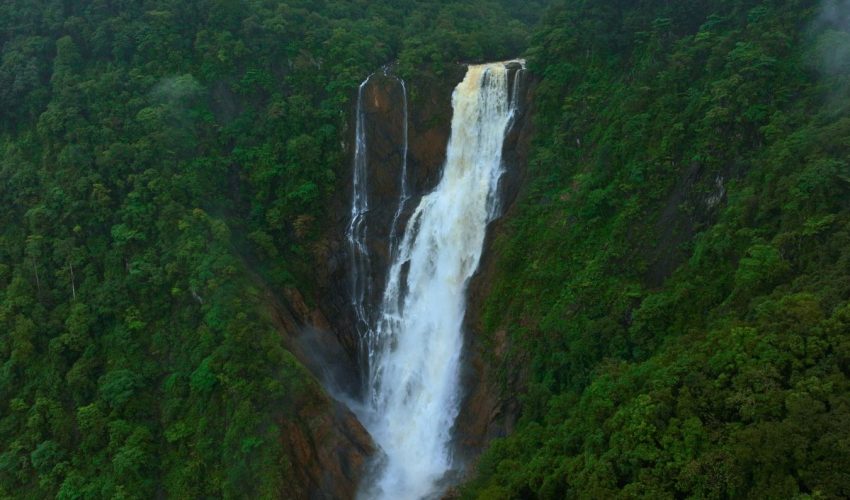
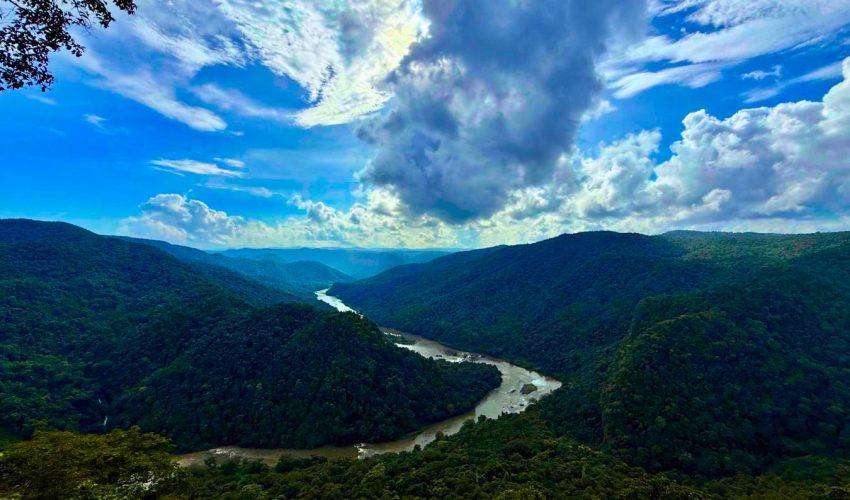
For landscape photographers drawn to expansive vistas, Sykes Point in Joida offers commanding views across the Western Ghats that stretch toward distant horizons. This viewpoint becomes particularly magical during early morning hours when valleys fill with mist that slowly burns away under the rising sun. The interplay between light, fog, and forested ridges creates layered compositions that gain depth as the morning progresses. Sunset here paints the sky in colors that range from soft pastels to blazing oranges, with the silhouetted mountains providing dramatic foreground elements.
The Kali River adds yet another dimension to landscape photography in the region. Its journey from the Western Ghats to the Arabian Sea creates diverse photographic environments, from tranquil backwaters perfect for reflection shots to rapids that challenge photographers to freeze motion or embrace creative blur. The riverbanks, especially around Dandeli, offer compositions that blend water, forest, and rock in endlessly variable arrangements.
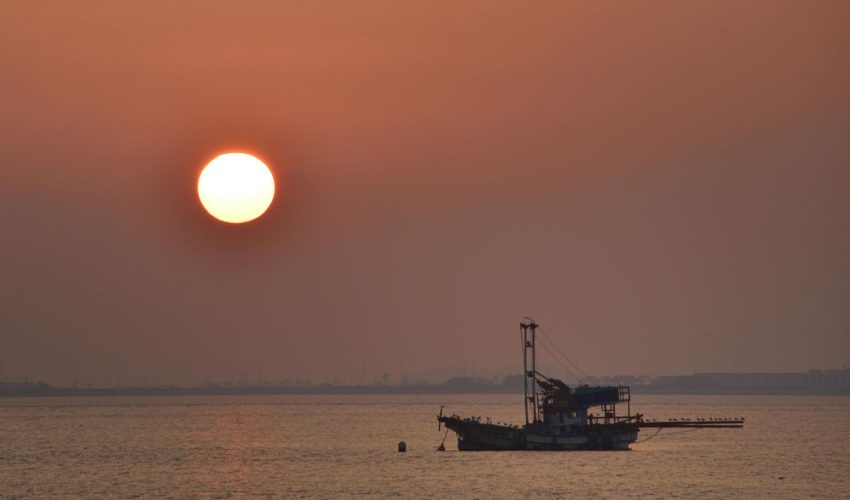
Coastal areas around Karwar present seascape opportunities that differ markedly from inland photography. The beaches here haven’t succumbed to overdevelopment, meaning your frames can remain blissfully free of concrete intrusions. Devbagh Beach, where the Kali River meets the Arabian Sea, creates fascinating compositions where freshwater and saltwater ecosystems intersect. The nearby islands accessible by boat offer pristine shorelines where photographers can work undisturbed, capturing wave patterns, tidal pools, and the endless dance between water and sand.
The Miniature Marvels: Where Macro Photography Comes Alive
Uttara Kannada’s forests pulse with small-scale dramas invisible to casual observers but spectacular through a macro lens. The Western Ghats’ status as a biodiversity hotspot means these forests harbor creatures found nowhere else, many sporting colors and patterns that seem too fantastical to be real.
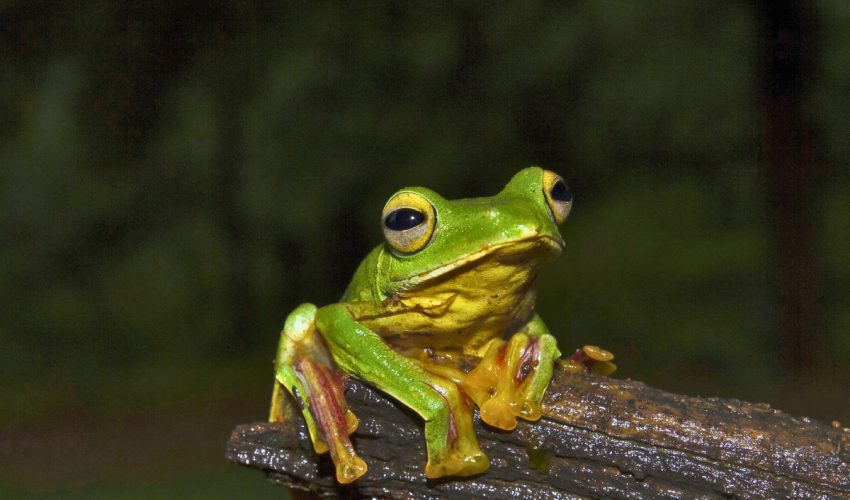
The amphibian diversity here astounds herpetologists and photographers alike. During monsoon months, the forests literally sing with frog calls, and patient photographers willing to wade through streams and peer into leaf litter will be rewarded with extraordinary subjects. The region hosts numerous endemic frog species, many discovered only in recent decades. The Malabar Gliding Frog (Rhacophorus malabaricus), with its brilliant green coloration and webbed feet, makes for spectacular photographs, especially when captured mid-leap between branches. Smaller species, like the various Dancing Frogs found in rocky streams, display behaviors unique to the Western Ghats, performing elaborate displays on wet rocks that combine wildlife behavior and macro photography beautifully.
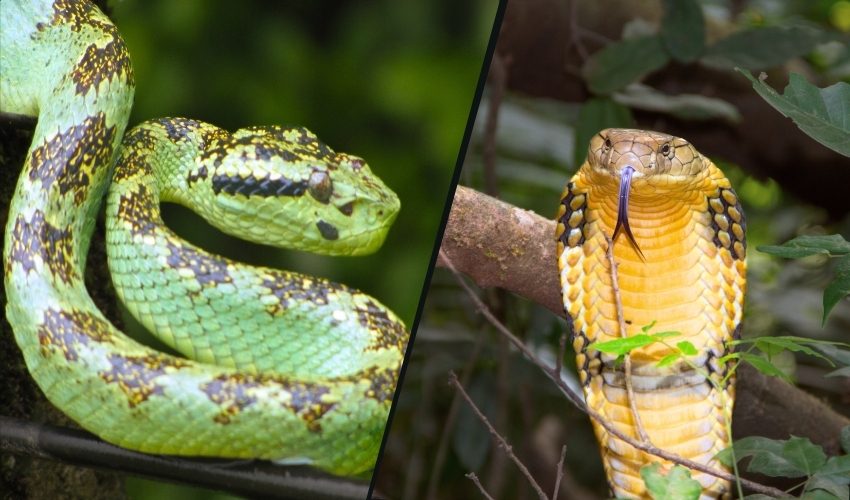
Reptile photography opportunities abound for those who know where to look and how to do so safely. The region’s snake diversity includes species ranging from tiny burrowing types to majestic Kingcobra (Ophiophagus hanna). The Malabar Pit Viper (Craspedocephalus malabaricus), with its striking green coloration and heat-sensing pits, makes for dramatic macro subjects when encountered responsibly with proper guidance. Vine snakes (Ahaetulla), whose slender forms and large eyes give them almost alien appearances, can be found hunting in forest edges. Always maintain safe distances and never disturb these animals for photographs; their natural behaviors provide better images than stressed subjects ever could.
The invertebrate world explodes with photographic possibilities. Forest floors and tree trunks host spiders whose web-building skills create natural abstract art enhanced by morning dew. Jewel beetles and colorful butterflies present challenges in timing and technique but reward persistence with images that showcase nature’s artistry at microscopic scales. The leaf insects and stick insects demonstrate evolution’s creativity through camouflage so effective that finding them feels like solving visual puzzles.
For photographers interested in larger wildlife while maintaining macro’s intimate perspective, Dandeli Wildlife Sanctuary and surrounding forests offer opportunities to photograph mammals and birds in their natural behaviors. Black panthers, though elusive, do inhabit these forests, and lucky photographers have captured stunning images during the safaris. More commonly seen species include the Malabar Giant Squirrel (Ratufa indica), whose size and vibrant coat make it a joy to photograph as it leaps between trees. The forests harbor several deer species, and patient photographers stationed near water sources during dry months can capture drinking behaviors and herd interactions.
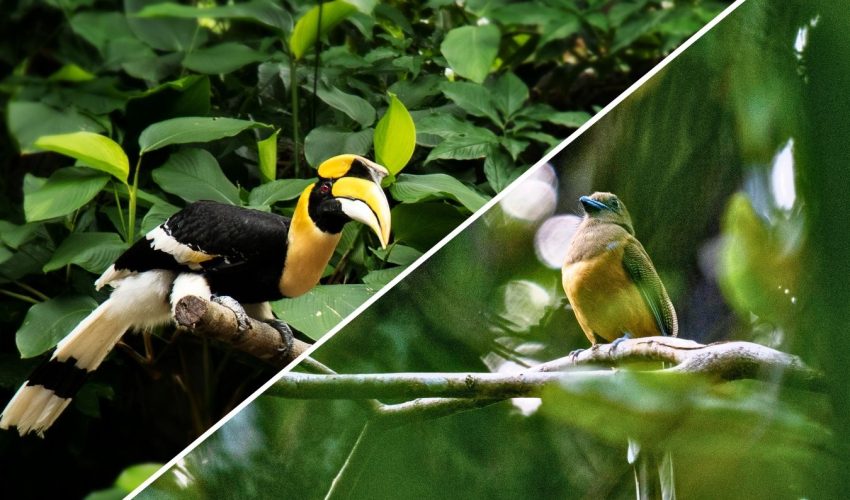
Bird photography in Uttara Kannada deserves special mention. The district’s position along migratory routes and its diverse habitats mean species lists run into hundreds. The Malabar Trogon (Harpactes fasciatus), with its crimson and yellow plumage, appears like a living jewel in forest shadows. Hornbills, several species of which call these forests home, provide subjects that combine size, color, and fascinating behaviors. Waterbirds congregate along rivers and backwaters, while raptors circle overhead scanning for prey. Early morning hours see forests alive with mixed hunting flocks where multiple species forage together, creating dynamic scenes for wildlife photographers.
Stories Written in Faces: Portrait and Cultural Photography
While landscapes and wildlife capture Uttara Kannada’s natural wealth, the district’s human stories add soul and context to any photographic narrative. This is where photography transcends technical execution and becomes genuine storytelling.
Gokarna’s streets offer portrait photographers an ever-changing canvas of humanity. This temple town draws a fascinating mix of pilgrims, sadhus, local residents, and travelers from around the world, creating visual diversity that keeps street photographers perpetually engaged. The narrow lanes surrounding the Mahabaleshwar Temple buzz with activity from dawn prayers through evening aartis. Photographing here requires sensitivity to religious customs and privacy, but respectful engagement often leads to powerful portraits that capture the many expressions of devotion.
The beaches of Gokarna present a completely different flavor of portrait work. Here, the counterculture travelers who’ve made these shores a destination create opportunities for environmental portraits that tell stories of modern wanderlust. The contrast between ancient temple culture and contemporary beach culture unfolds within walking distance, offering photographers thematic narratives that explore tradition and transformation.
Local fishing communities along the coast maintain lifestyles shaped by the rhythm of the sea. Early morning fish markets burst with color, motion, and the weathered faces of those who earn their living from the Arabian Sea. These are not staged tourist experiences but working environments where photography requires patience and respect. The rewards come in images that document livelihoods unchanged for generations—portraits of resilience and community that connect viewers to essential human experiences.
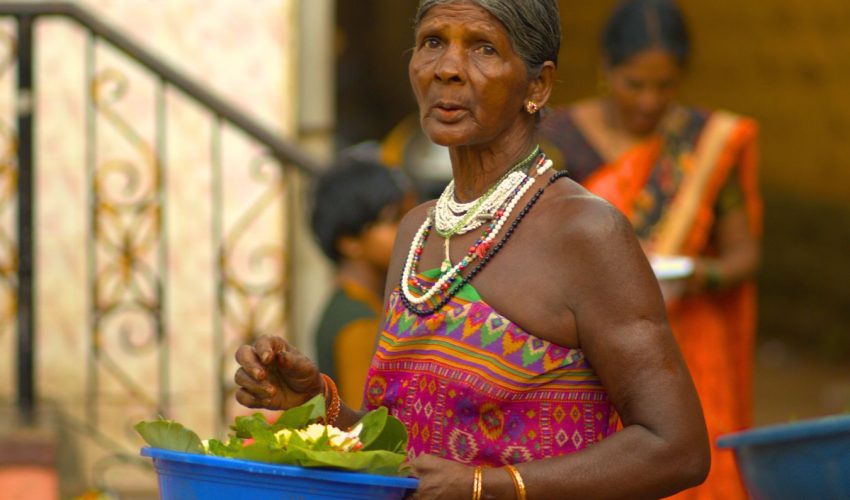
The Halakki community represents one of Uttara Kannada’s most culturally significant treasures. This indigenous group preserves traditions and knowledge systems that stretch back centuries, and their close relationship with the forest environment offers rich opportunities for documentary-style photography. Their traditional attire, community gatherings, and cultural practices provide meaningful subjects for photographers interested in heritage and identity.
Approaching Halakki documentation requires special care. This is not about showcasing them as an “exotic culture,” but about respectful representation of a living community. Building relationships, understanding their perspectives, and sharing your work with them should form the ethical foundation of any project. Many Halakki individuals take pride in their heritage and are happy to share it—when approached with dignity and sensitivity.
The agricultural landscapes surrounding Halakki settlements, with their traditional farming practices and deep forest integration, create compelling environmental portraits that place people within their natural and cultural contexts. Photographing daily activities, festivals, and community interactions tells more complete stories than isolated portraits ever could. These images become valuable not just artistically but also as documentation of cultural knowledge worthy of preservation.
Rural markets throughout Uttara Kannada offer additional portrait opportunities. Weekly markets in towns like Sirsi and Kumta draw people from surrounding villages, creating vibrant spaces filled with local culture. The produce displays themselves make colorful still-life subjects, while interactions between buyers and sellers offer candid moments that reveal social dynamics. Traditional crafts—from betel nut processing to bamboo weaving—continue in villages across the district, giving photographers a chance to document skills passed down through generations.
Temple architecture throughout the region provides both environmental context for portraits and subjects in their own right. The Murudeshwar Temple complex, with its towering gopuram and coastal setting, creates dramatic backdrops for architectural photography and portraits of pilgrims. Smaller temples across the district showcase regional architectural styles and serve as community gathering points where photographers can capture the spiritual and social dimensions of daily life.
Planning Your Photographic Journey
Timing significantly impacts what Uttara Kannada reveals to your lens. Monsoon months from June through September transform the district into a verdant wonderland where waterfalls reach peak flow and forests glow with impossible green. However, heavy rains can make some locations inaccessible and wildlife photography challenging. The post-monsoon period from October through February offers the most versatile conditions, with pleasant weather, lingering greenery, and wildlife emerging more visibly as water sources concentrate. Summer months from March through May bring heat but also excellent wildlife sighting opportunities as animals visit remaining water sources regularly.
Equipment choices depend on your photographic priorities. Landscape photographers should pack wide-angle lenses for sweeping vistas and waterfalls, while wildlife and macro work demands telephoto and specialized close-focus lenses. Weather-sealing becomes crucial during monsoon photography, and multiple lens-cleaning cloths prove essential in humid conditions. Sturdy tripods help with long-exposure waterfall shots and low-light forest photography, though you’ll appreciate lightweight options during longer treks.
Local guides enhance both your safety and photographic success, particularly for wildlife photography and cultural documentation. They know where animals frequent, can identify calls and signs you might miss, and help navigate terrain while minimizing environmental impact. For cultural photography, local connections open doors that solitary outsiders cannot access and ensure your presence respects community norms.
Accommodation options range from basic homestays that immerse you in local life to comfortable resorts that provide restful bases between photography sessions. Many photographers find that staying in different locations allows them to photograph during optimal morning and evening light without spending precious golden hours commuting.
Capturing Uttara Kannada: A Call to Creative Adventure
Photography in Uttara Kannada transcends the technical act of exposing sensors to light. It becomes a practice of paying attention, of slowing down enough to notice the way mist moves through valleys, the precise moment a frog calls to potential mates, or the dignity written in an elder’s weathered face. This district offers photographers something increasingly rare: the space and substance to develop meaningful bodies of work rather than collect isolated trophy shots.
The images you create here have the potential to do more than populate portfolios. They can tell stories that connect urban viewers to natural systems they depend on but rarely see. They can document cultural traditions that deserve celebration and preservation. They can inspire others to visit responsibly, to support local communities through tourism that respects rather than exploits, and to advocate for the conservation of landscapes and wildlife that face mounting pressures.
So pack your cameras, charge your batteries, and point your compass toward Karnataka’s west coast. Uttara Kannada waits with more frames than you could capture in a lifetime, each one an invitation to see more deeply, to understand more fully, and to share the beauty and complexity of a region that deserves far more recognition than it currently receives. Whether you’re drawn to the thunder of falling water, the intricate patterns on a butterfly’s wing, or the stories written in human faces, this district offers the raw material for photography that matters. The light here falls differently. The colors seem more saturated. The subjects present themselves with a generosity that feels like collaboration between photographer and place. Come ready to be surprised, humbled, and inspired. Uttara Kannada will reward your attention with images and experiences that linger long after you’ve returned home.